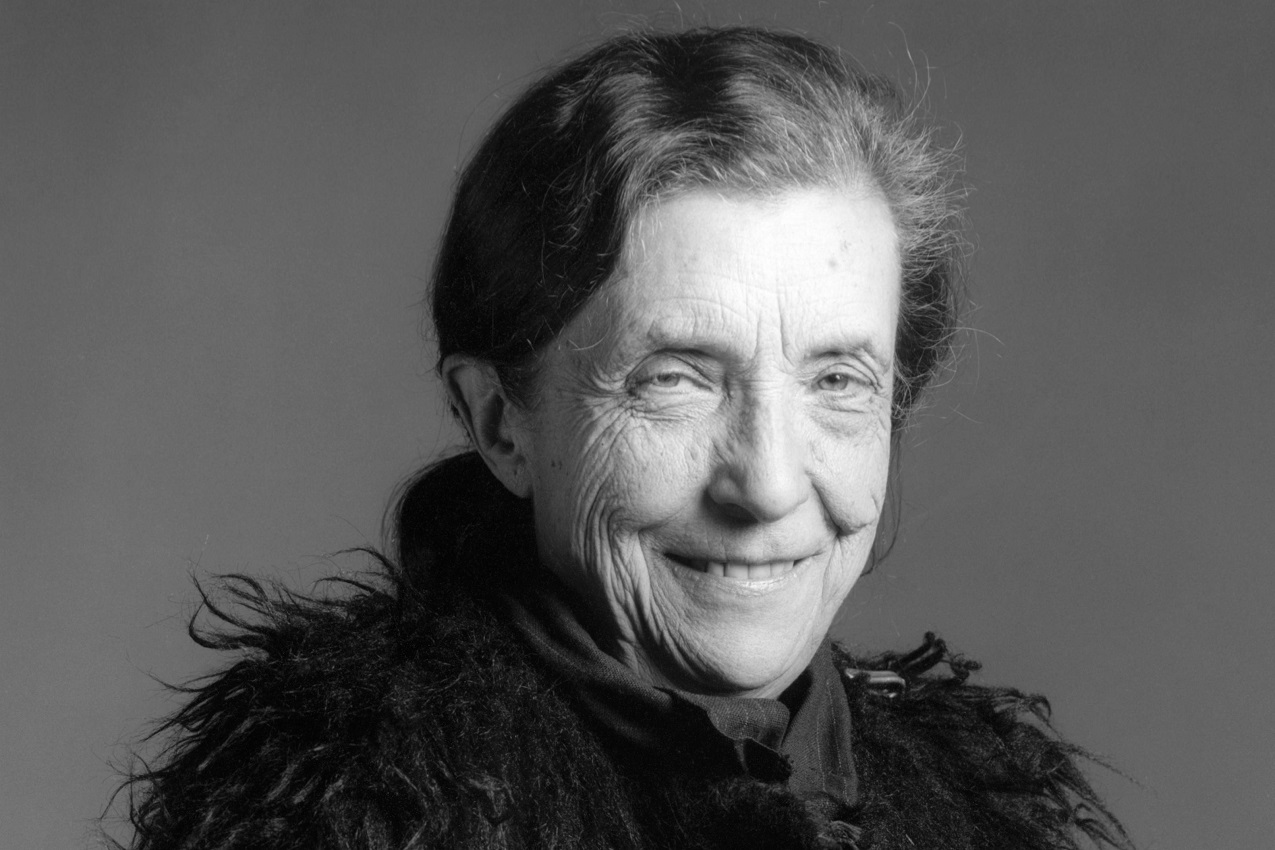
LOUISE BOURGEOIS E L’ARTE CHE TRASMUTA
Volevo dedicare l’articolo ad un’artista, perché al Blog Baxter si parla anche di questo, ovviamente un’artista stile Baxter. Con immenso piacere oggi vi parlo di Louise Bourgeois nata a Parigi nel 1911 e naturalizzata americana.
Ritroviamo nelle sue opere tanto vissuto, specialmente dell’infanzia e delle trame familiari. Tesseva arazzi già da bambina nel laboratorio di famiglia, un lavoro preciso che unisce osservazione e costruzione, è da lì che nasce l’ossessione per la tessitura, metafora delle relazioni umane. E già a quella tenera età capiva che qualcosa non andava in casa, e solo dopo aver scoperto la relazione tra il padre e la loro insegnante di inglese che abitava sotto il loro stesso tetto, con il beneplacito della madre Josephine.
Le trame familiari sono il primo elemento delle sue opere artistiche, Maman il ragno gigantesco che rappresenta la maternità.
Quell’enorme ragno non è una madre santa, ma vuole rappresentare una struttura che protegge e intrappola, un ambiente complesso dove si cresce deformati e nutriti allo stesso tempo. È simbolo di resilienza e forza che solo una madre, che vive in una relazione tossica, può avere.
Oltre che per la scultura Maman, Bourgeois è conosciuta anche per le sue istallazioni Le Cells esternalizzazione delle emozioni in architettura. Ogni cella rappresenta un’emozione, un trauma, un luogo nel quale non si può entrare, ma solo essere osservatori esterni.
E poi c’è il suo grido femminista, con la sua opera d’arte Femme Maison, la rappresentazione di un corpo di donna, che al posto della testa ha una casa. Accusa alla società che relegava la donna e il suo pensiero unicamente allo spazio domestico.
Che dire un’artista stile Baxter, e nella storia di questa donna forse ci siamo ritrovate più di qualcuna. Sì, perché prima di essere artista Louise Bourgeois è stata una donna, che ha avuto il sentore che qualcosa non andasse nella sua famiglia, che alcune dinamiche anche se segrete, non la facevano vivere in armonia e verità. La figura materna che inghiottiva ingiustizia e no amore, quel malessere che riciclava filandolo come un ragno la tela, in una rete di protezione per la prole.
Ogni artista ha bisogno di elaborare il trauma attraverso la sua arte, un modo per ricostruire i ricordi e le emozioni al fine di liberarsi dalla loro presa, ma Bourgeois quei ricordi traumatici li tenne in vita, li rese visitabili, li trasmutò.
Questo fu il rapporto con la sua produzione artistica, una ferita lasciata aperta, dove attingere ispirazione, ma senza più il dolore del trauma. Una sua frase lo dice chiaramente: Ogni giorno devi abbandonare il tuo passato o accettarlo, e se non riesci a farlo diventi semplicemente un visitatore infelice nella tua vita.
E dal malessere Bourgeois non ci si è fatta mai intrappolare, attese con pazienza per essere riconosciuta come artista di rilievo internazionale, anche se conosciuta nell’ambiente, è stata fatta emergere all’età di 70 anni. È nel 1982 che le dedicano una mostra al MoMa di New York.
La storia di Louise Bourgeois mi ha fatto molto riflettere, sia da figlia che d’artista.
Il filare di quel ragno materno, che tentava in qualche modo di proteggere la prole, dalle trame nascoste e taciute degli strati familiari che conosceva molto bene.
E attraverso la propria produzione artistica esorcizzare il trauma. Questa cosa l’avevo già intuito da giovane, dedicando la mia tesi di laurea a Luigi Pirandello, ritrovando anche in lui la necessità di mettere in scena parti della sua vita, quasi sempre dolorose. Quel modo di cercare una cura e un senso con l’arte, a quello che la vita non riusciva a dare. Sono molto grata per aver conosciuto Louise Bourgeois, artista di talento e donna inarrestabile, che alla fine vinse il riconoscimento internazionale.
LOUISE BOURGEOIS AND ART THAT TRANSMUTES
I wanted to dedicate this article to an artist—because that’s also what we talk about on the Baxter Blog—obviously, an artist in the Baxter style. It is with great pleasure that I’m talking to you today about Louise Bourgeois, who was born in Paris in 1911 and became a naturalized American citizen.
We find in her works a wealth of life experience, especially from her childhood and family dynamics. She was already weaving tapestries as a child in the family workshop—a precise craft that combines observation and construction—and it was there that her obsession with weaving, a metaphor for human relationships, was born. Even at that tender age, she sensed that something was amiss at home, and it was only later that she discovered the relationship between her father and their English teacher, who lived under the same roof with them, with the approval of her mother, Josephine.
Family dynamics are the primary element of her artistic works, such as Maman, the giant spider representing motherhood.
That enormous spider is not a saintly mother, but rather represents a structure that both protects and traps—a complex environment where one grows up both distorted and nourished at the same time. It is a symbol of the resilience and strength that only a mother living in a toxic relationship can possess.
In addition to the sculpture Maman, Bourgeois is also known for her installations Le Cells—an externalization of emotions through architecture. Each cell represents an emotion, a trauma, a place one cannot enter but can only observe from the outside.
And then there is her feminist cry, embodied in her artwork *Femme Maison*, a representation of a woman’s body with a house in place of her head. It is an indictment of a society that confined women and their thoughts solely to the domestic sphere.
What can we say—an artist in the style of Baxter, and perhaps more than a few of us have seen ourselves reflected in this woman’s story. Yes, because before she was an artist, Louise Bourgeois was a woman who sensed that something was amiss in her family—that certain dynamics, though hidden, prevented her from living in harmony and truth. The maternal figure who swallowed injustice and a lack of love—that unease she recycled, spinning it like a spider weaves its web, into a protective net for her offspring.
Every artist needs to process trauma through their art—a way to reconstruct memories and emotions in order to free themselves from their grip—but Bourgeois kept those traumatic memories alive, made them accessible, and transformed them.
This was the relationship with her artistic production: a wound left open, from which to draw inspiration, yet without the pain of the trauma. One of her quotes says it clearly: Every day you must either let go of your past or accept it, and if you cannot do so, you simply become an unhappy visitor in your own life.
And Bourgeois never allowed herself to be trapped by that unease; she waited patiently to be recognized as an artist of international significance—even though she was already known in the art world—and she finally came into the spotlight at the age of 70. It was in 1982 that an exhibition was dedicated to her at MoMA in New York.
Louise Bourgeois’s story has given me much food for thought, both as a daughter and as an artist.
The spinning of that maternal spider, who was somehow trying to protect her offspring from the hidden and unspoken webs of the family dynamics she knew all too well.
And through her artistic practice, she exorcised that trauma. I had already sensed this as a young woman, when I dedicated my thesis to Luigi Pirandello, recognizing in him, too, the need to bring parts of his life—almost always painful ones—onto the stage. That way of seeking healing and meaning through art—for what life could not provide. I am very grateful to have known Louise Bourgeois, a talented artist and an unstoppable woman who ultimately won international recognition.